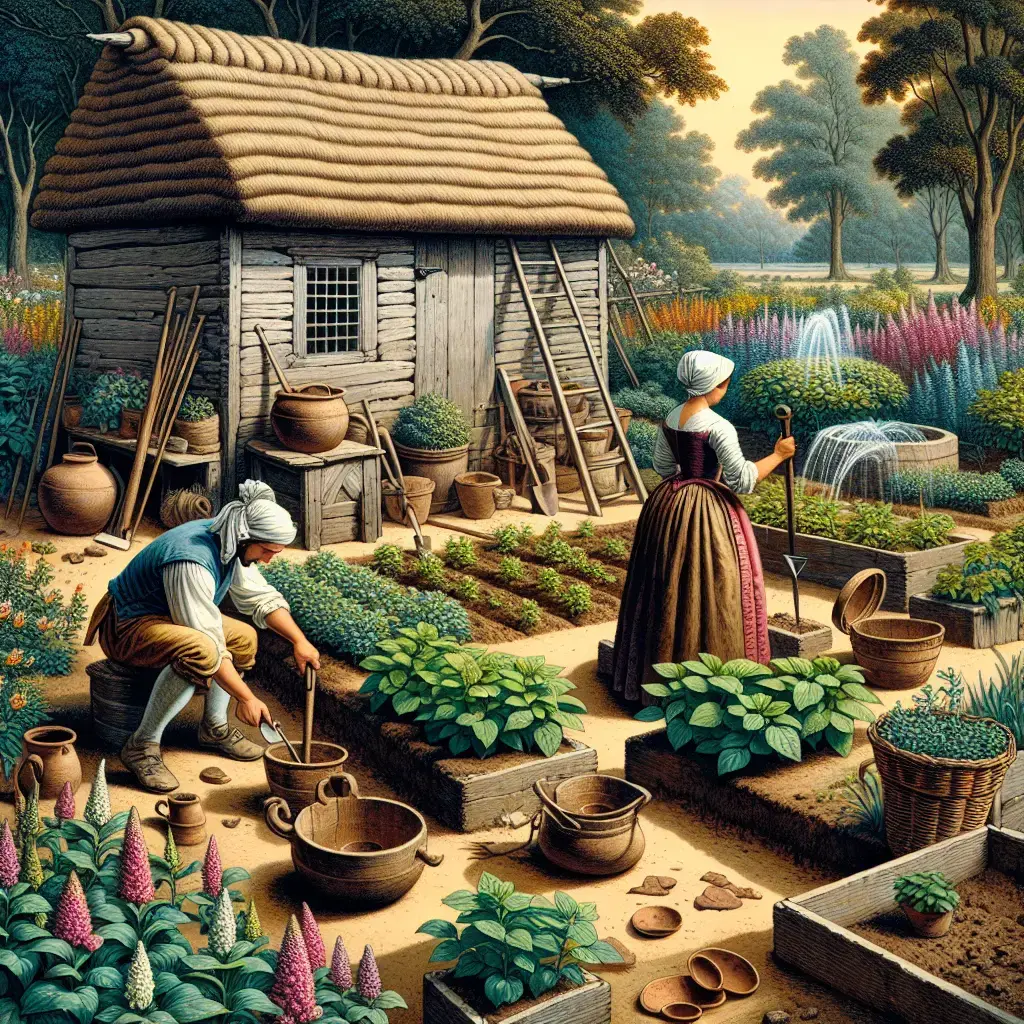
Uncovering History Through House Plants: The Story of a Colonial Garden
In the quiet, historic town of Williamsburg, Virginia, archaeologists are peeling back layers of soil to reveal a time capsule from the 1700s—an ornamental garden that speaks volumes about the past.
This colonial-era garden is not just a testament to the horticultural practices of the time but also a window into the lives of its creators. The garden was a symbol of wealth and sophistication, cultivated by a prominent politician of the era. However, the true architects of this botanical masterpiece were the enslaved gardeners who meticulously cared for and expanded it.
The Ornamental Oasis
The garden boasted a variety of exotic plants sourced from different parts of the world. These plants were chosen not just for their beauty but also to signify status and global reach. The layout and design of such gardens were meant to impress and demonstrate the owner's worldly connections.
Key Features of Colonial Gardens:
- Exotic Plant Collection: Included rare species imported from far-off lands.
- Symmetrical Design: Reflecting European influences, the gardens often featured intricate patterns and pathways.
- Functional Elements: Apart from aesthetics, these gardens sometimes included sections for medicinal plants or herbs.
The Unseen Hands
The labor-intensive process of maintaining such a garden was primarily the responsibility of enslaved individuals. Their expertise and hard work ensured that the garden flourished, despite the harsh realities of their lives. Through archaeological findings, researchers hope to uncover more about these gardeners' contributions and the techniques they employed.
House Plants: A Modern Connection
Today, house plants serve a similar dual purpose—they beautify our spaces and often reflect our personalities and lifestyles. While we may not all have sprawling gardens, bringing a piece of nature indoors allows us to connect with history and appreciate the art of gardening that has been honed over centuries.
Tips for Your Indoor Botanical Haven:
- Choose Wisely: Select plants that thrive in your home’s environment—light, humidity, and temperature.
- Design With Purpose: Arrange plants to enhance your living space aesthetically while considering their growth needs.
- Learn and Adapt: Understanding plant care is an ongoing process; learn from both historical practices and modern techniques.
Conclusion
The discovery of this colonial-era garden in Virginia serves as a poignant reminder of how house plants and gardening have evolved over time. It's a story that intertwines horticulture with history, highlighting both beauty and resilience.
For those looking to create their own green oasis at home, remember that each plant has a story. Nurturing them connects us to gardeners of the past who laid the foundation for today's botanical wonders.
To explore more about this archaeological discovery, you can visit ABC News.
Happy planting!
Warm regards,
Jennifer Thompson