How to Create a DIY Indoor Plant Terrarium: A Modern Guide
In the bustling world of indoor gardening, crafting your own DIY indoor plant terrarium can be both rewarding and serene. This comprehensive guide walks you through each step of creating a plant terrarium, from selecting the best plants to maintaining your miniature ecosystem. With a blend of creativity and science, your home terrarium project will flourish into a vibrant green space.
Understanding the Basics: What is a Terrarium?
A terrarium is a self-contained, small-scale ecosystem housed within a transparent container. It can be either closed or open, each style offering unique benefits and challenges. Closed terrariums provide a humid environment ideal for tropical plants, while open terrariums cater to succulents and cacti that thrive in drier conditions.
Gathering Terrarium Supplies: Your Checklist
Before diving into the art of making a plant terrarium, gather all necessary supplies:
- Container: Glass jars, fish tanks, or custom containers.
- Substrate Layers: Rocks or pebbles for drainage, activated charcoal to prevent odor, and potting soil.
- Plants: Choose based on your terrarium type—open or closed.
- Decorative Elements: Moss, stones, or small figurines for aesthetic appeal.
Selecting Terrarium Plants: The Stars of Your Ecosystem
The choice of plants can define the success of your project. For closed terrariums, ferns and mosses are ideal. Open terrariums favor succulents and cacti. Technology like SmartyPlants allows enthusiasts to monitor plant environments via cellphone apps, making care easier than ever.
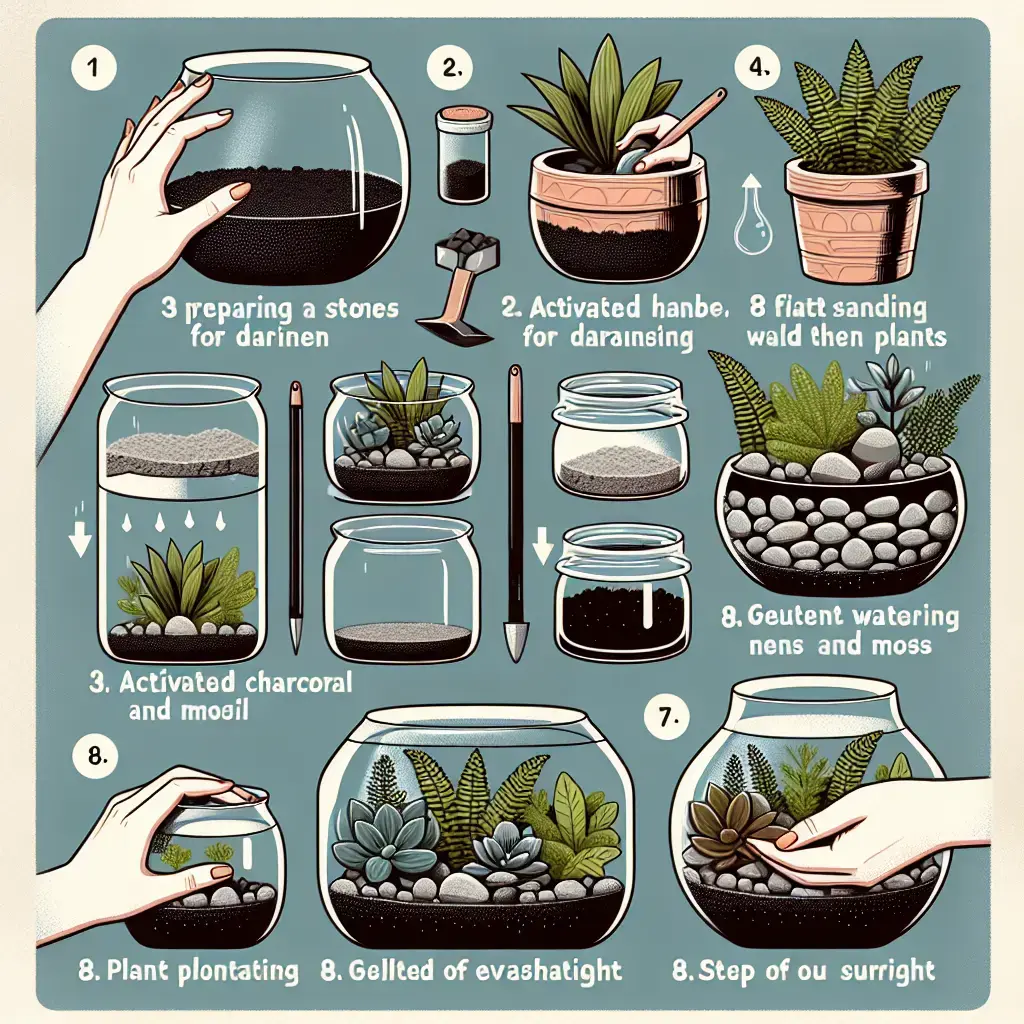
Step-by-Step Terrarium Instructions
- Prepare Your Container: Clean thoroughly to ensure no residue affects your plants.
- Create Drainage Layers: Begin with rocks, followed by activated charcoal, then soil.
- Position Your Plants: Arrange artistically while ensuring space for growth.
- Add Decorative Elements: Personalize with moss, stones, or miniature figures.
- Water Sparingly: Closed terrariums rarely need watering; open types require more attention.
Maintaining Your Indoor Terrarium: Care Tips
Ensure your ecosystem thrives with these care tips:
- Light: Place in indirect sunlight; too much direct light can scorch plants.
- Humidity and Temperature: Closed terrariums maintain humidity; open ones may need misting.
- Pruning: Regularly trim plants to prevent overcrowding.
- Troubleshooting: Watch for mold and promptly remove decaying plant matter.
Recent insights on climate change highlight the importance of sustainable indoor gardening practices. As noted by Climate Change Advocates, creating a green space at home supports global environmental efforts.
Adding Modern Touches: Innovative Ideas
Modern terrarium creations can integrate current trends:
- Smart Monitoring Devices: Use devices like SmartyPlants to track conditions.
- Unique Containers: Upcycle materials for containers—a nod to sustainability and creativity. Maivy Tran's recommendations on unique ceramics can inspire new ideas.
- Incorporating Technology: Integrate with digital assistants for automated care reminders.
Why Start a Home Terrarium Project Now?
Creating a DIY indoor plant terrarium is about fostering a connection with nature in today's fast-paced world. With growing awareness around climate change, as highlighted by initiatives from Governor Tim Walz, bringing greenery indoors aligns with global sustainability goals.
Moreover, as natural disasters become more frequent, personal sanctuaries like indoor gardens offer tranquility. Reflecting on how small home improvements can prevent wildfire damage (source: This Old House), a well-maintained indoor garden becomes part of a broader home safety strategy.
Conclusion: Cultivate Your Own Oasis
Creating a DIY indoor plant terrarium offers a unique blend of creativity and science, allowing you to craft a thriving mini-ecosystem within your home. Here's a recap:
- Understanding Terrariums: Learn about closed and open types suited for different plants.
- Gathering Supplies: Ensure you have the right container, substrate layers, plants, and decorations.
- Choosing Plants: Select compatible plants for your terrarium type.
- Step-by-Step Guide: Prepare your container, layer substrates, position plants, add decorations, and water appropriately.
- Maintenance Tips: Position in indirect light, monitor humidity levels, prune regularly, and address mold issues promptly.
- Innovative Touches: Embrace technology with smart monitoring devices and use upcycled materials for containers.
As you embark on this indoor gardening journey, remember it's more than just aesthetics; it's about connecting with nature and contributing to sustainability efforts. By bringing greenery indoors, you align with global environmental goals while enhancing personal well-being.
We invite you to share your experiences and insights on terrarium creation. Have you integrated technology into your plant care routine? How has your indoor garden project contributed to your home environment? Your thoughts can inspire others in this green community.
Dive into this enriching hobby today—transform your living space into a serene sanctuary and let your creativity flourish!
Warm regards,
Jennifer Thompson