Introduction
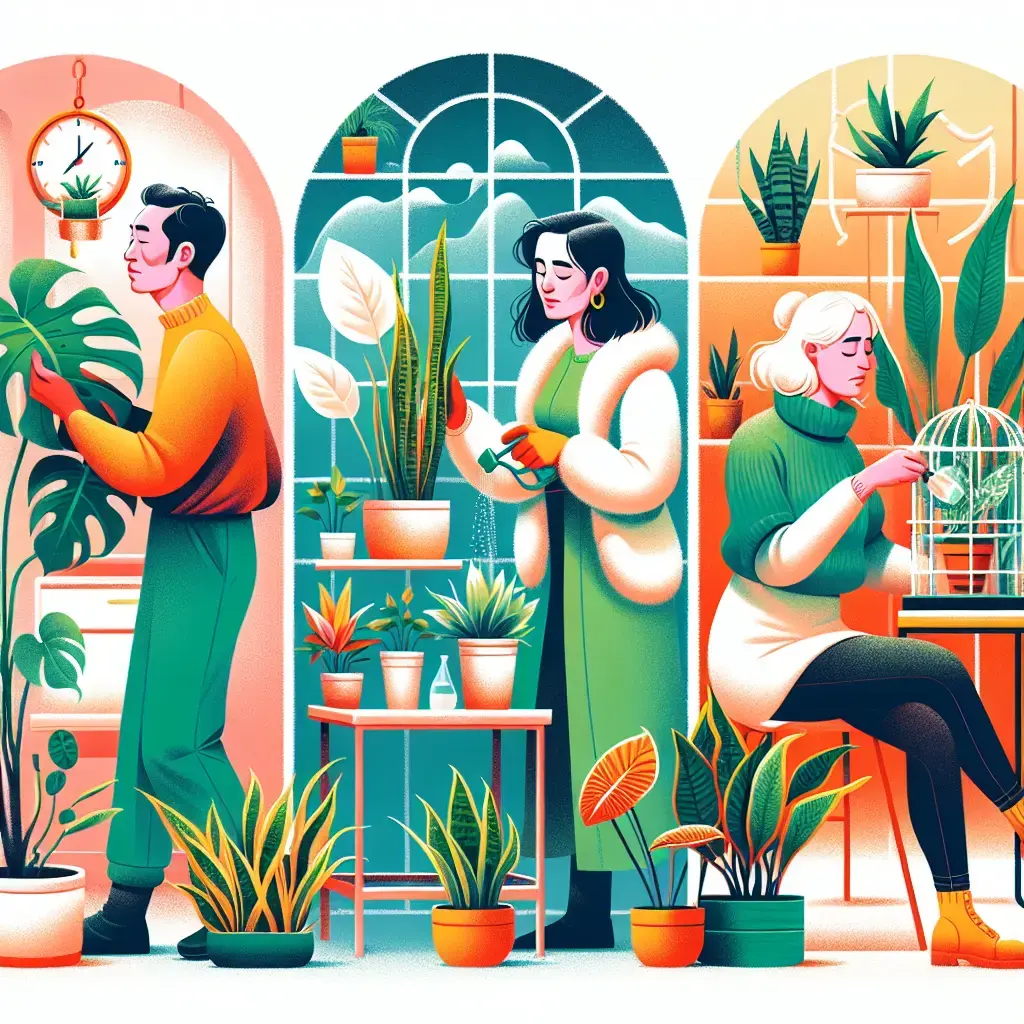
In today's diverse living environments, the allure of tropical house plants captivates both seasoned horticulturists and budding enthusiasts alike. With their lush foliage and vibrant blooms, these botanical wonders bring a slice of paradise into homes across the globe. However, the journey to successfully grow tropical plants indoors requires understanding and adapting to varying climates. This guide is designed to provide you with essential knowledge on tropical house plants care, catering to those passionate about creating a thriving indoor oasis.
Comprehensive Tropical Plant Care
Caring for tropical plants involves more than just watering them occasionally; it demands a comprehensive approach to indoor tropical plant care. Key factors such as temperature, light requirements, and humidity play pivotal roles in their growth and overall health. Recognizing the best climate for tropical plants is crucial, as is knowing how to adjust these parameters for those residing in less-than-ideal environments. From adapting tropical plants to climate variations to ensuring proper watering techniques, this introduction will prepare you for the nuanced world of tropical houseplants maintenance.
Challenges of Indoor Tropical Gardening
The challenge of growing tropical plants indoors extends beyond basic upkeep. Pest control for tropical plants is an ongoing concern, demanding vigilance and timely intervention. Furthermore, understanding the intricacies of fertilizing tropical houseplants can significantly impact their vitality. With an array of tropical plant care tips at your disposal, you'll be equipped to tackle these challenges head-on.
Temperature and Light Management
Temperature for tropical houseplants is another vital aspect to consider, as these plants thrive in warmth but may suffer in cooler conditions. Learning how to replicate their native climate indoors is an art that this guide will help you master. As we delve deeper, you'll discover how maintaining humidity levels and proper light requirements can transform your space into a verdant sanctuary.
Join us as we explore the multifaceted world of tropical plant care, setting the stage for you to nurture your green companions successfully. In the following sections, we will dive deeper into each aspect of care, ensuring you have all the tools necessary to cultivate a flourishing indoor garden.
In an era where the charm of tropical house plants captivates many hearts, caring for these botanical treasures in varying climates can be both rewarding and challenging. Whether you're a seasoned plant parent or new to indoor gardening, understanding how to nurture tropical plants in different climates is essential for creating a flourishing indoor oasis. This section explores essential strategies and recent insights that highlight how to adapt tropical plant care to diverse environments.
Understanding Climate Variations
The first step in caring for tropical house plants across different climates is to understand their specific needs. Tropical plants thrive in warm, humid conditions with abundant light, akin to their native habitats. However, replicating these conditions indoors can be challenging, especially in cooler or drier climates.
According to recent studies on integrated vegetation management within electrical transmission landscapes, maintaining biodiversity through active vegetation management is crucial. Similarly, maintaining diverse plant species within your home can aid in promoting a healthy indoor ecosystem (source). This is particularly relevant when adapting tropical plants to non-tropical climates, as introducing a mix of plant species can help regulate humidity and temperature, creating a more stable environment for your tropical houseplants.
Adapting Tropical Plants to Different Climates
Temperature and Humidity Management: Tropical plants flourish at temperatures between 65-85°F (18-29°C). In cooler climates, maintaining warmth can be achieved through space heaters or heat mats. Humidity is equally critical, with most tropical plants preferring levels above 50%. Employing humidifiers or placing plants on pebble trays filled with water can enhance ambient humidity.
Light Requirements: Light is another vital factor. Tropical plants typically require bright, indirect light. In regions with limited natural sunlight, consider using grow lights that simulate natural sunlight. Positioning your plants near south or east-facing windows can also maximize light exposure without causing leaf burn.
Watering Tropical House Plants: Proper watering techniques are crucial. Overwatering is a common mistake, leading to root rot. It's essential to allow the top inch of soil to dry out between waterings. During winter months, when growth slows, reduce watering frequency. Additionally, ensuring pots have drainage holes prevents water from accumulating at the roots.
Fertilizing Tropical Houseplants: Fertilization supports healthy growth and vibrant foliage. A balanced liquid fertilizer applied monthly during the growing season (spring and summer) can provide essential nutrients. In contrast, during fall and winter, reduce fertilization to allow plants to rest.
Case Study: Successful Adaptation in Non-Tropical Climates
Leena Pettigrew's venture into selling houseplants online highlights how adapting tropical plant care can lead to thriving indoor gardens even in non-tropical regions (source). Pettigrew's success underscores the importance of understanding each plant's unique needs and adapting care routines accordingly. By adjusting temperature, humidity, and light conditions meticulously, she was able to cultivate a diverse collection of healthy tropical plants that appealed to customers nationwide.
Pest Control for Tropical Plants
Pest control remains an ongoing concern in tropical houseplants maintenance. Common pests like spider mites and aphids can quickly infest indoor plants if not addressed promptly. Regular inspection and immediate intervention are crucial.
Preventive Measures: Maintaining high humidity levels can deter spider mites, which thrive in dry conditions. Additionally, cleaning leaves regularly with a damp cloth or neem oil spray can prevent pest infestations.
Natural Remedies: Introducing beneficial insects such as ladybugs or predatory mites can naturally control pest populations without harming your plants.
Creating Indoor Microclimates
One innovative approach to growing tropical plants indoors involves creating microclimates within your home. Utilizing terrariums or glass containers can simulate the high-humidity environments tropical plants love. These enclosed spaces trap moisture and warmth, providing an ideal setting for certain species.
Leveraging Technology for Plant Care
Recent advancements in technology offer tools to enhance indoor tropical plant care. Enscape 4.1's visualization quality improvements are transforming how designers create and maintain green spaces indoors (source). Such technologies allow plant enthusiasts to visualize optimal plant placements and monitor environmental conditions in real-time, ensuring their plants receive optimal care tailored to their specific needs.
The Role of Sustainable Practices
Incorporating sustainable practices into your plant care routine not only benefits the environment but also enhances plant health. Using organic fertilizers and implementing integrated pest management strategies can reduce chemical dependencies while promoting a balanced ecosystem within your home.
Conclusion
Caring for tropical house plants across different climates requires a nuanced understanding of their environmental needs and a willingness to adapt care practices accordingly. By focusing on temperature regulation, humidity maintenance, proper lighting, and pest control, you can create an inviting sanctuary for your green companions regardless of external climate challenges.
Incorporating recent insights and leveraging technological advancements provides additional tools for optimizing indoor tropical plant care. As you embark on this journey, remember that the joy of nurturing these vibrant botanical wonders lies not just in achieving success but in the continuous learning and adaptation process that accompanies their care.
For those eager to explore further, delve into resources such as plant care guides from reputable horticultural institutions or connect with local gardening communities for shared experiences and tips. Embrace the challenge of growing tropical plants indoors, and let the lush beauty of these plants transform your living space into a verdant retreat year-round.
We invite you to share your experiences and insights on caring for tropical house plants in non-tropical climates. How have you adapted your plant care routine to meet their needs? What challenges have you faced, and what successes have you achieved? Join the conversation by leaving a comment below, and let's continue to explore and enjoy the vibrant world of indoor gardening together.
Happy planting!
Author: Jennifer Thompson